 Free5:40:40

20100915 S1 and S2 LZR LOP It is like it does not exist
What I explained last night – all the hallucinations that one has, I didn’t get to explain the different hallucinations, object to be refuted. So the
according to this.., the four schools of Buddhist philosophers, the Vaibashika
school or che tra mra wa, so the point of view of the, even the schools, what is to be realized, hallucination what has to be realized empty or like object to be refuted. What has to be realized, recognized as the hallucination, do not exist, but which is believed as the reality in Hindu religion, so for example such as the I is permanent, believed in the Hindu, atman.
So in the Buddhism, even in the lower, the previous schools – the first one Vaibashika school, che tra mra wa, it Lucknow or some, I don’t know, Lucknow or
somewhere near that part, who lived, a family lived there. So I think the father of the family, I think, later became monk. He became monk. I forgot his name. I met him several times, a few times – very nice person who had a lot of experience, I think life experience; I guess business and all that, but also religion I think; familiarity with the Hindu religion.
So anyway, so he lived dialectical school, Dharamsala, for some time. He passed away now quite a number of years ago. So I think he was at the Root Institute, I think, maybe some time, quite some time ago, quite a number of years ago. However so he, His Holiness was very happy to give teachings on Bodhicaryavatara, commentary to Bodhicaryavatara alone, to him alone, the Indian monk, commentary to Bodhicaryavatara alone, to him alone, the Indian monk, so gave it in the room.
So His Holiness went, so His Holiness kept on doing commentary. So at the end, so he had only one question in his mind, so that was, so after all that – His Holiness gave commentary on, on, on and on, then he had only one question in his mind. (RL) So that is whether there’s atman or not, whether there’s atman or not, So that’s all what, that’s only question what he had, because Hindu believe atman is the permanent, permanent I.
So that’s the only question what he had. So he had only one question, “Is there atman or not?” So His Holiness said, “No”. So then he said, “That’s it. Finished”. (RL/GL) So ___ Rinpoche, anyway. So atman is impermanent nature, okay, depending on cause… It exists under the control of causes and conditions.
In every second, it is changing and decaying, decaying, changing, decaying – do not last even within second. So then, but appear to us permanent, the I appeared permanent, and believe permanent. So that’s not having realized it is nature of impermanence.
Do not see that reality. Then we have this hallucination of the I then existing, existing alone. without depending on parts, existing alone; it is also there, and the, then without depending on causes and conditions, then existing with its own freedom, permanence,, chig, alone, existing alone.
Then, existing with its own freedom,, so without depending on the cause and conditions, existing, exists with its own freedom. So this has, have the belief in the religion, but here, so in the Buddhism, the che tra mra wa, the school, first school of Buddhist philosophers do not believe that, and believe that according to its nature, impermanence and depending on its parts, and depending on cause and conditions. Then not only, that also the, so then its nature is the.
So it is empty of being the self-sufficiency. The I empty of being self-sufficiency without depending aggregates or without depending on continuity of the aggregates, so being self-sufficiency. So the I is empty of that. So the I is empty of that. So that’s the reality, nature.
So do not believe, do not accept that, being self-sufficiency,. So when we think of I, there’s also that hallucination existing, of being self-sufficiency – that’s also there, and then also the, like the object to be refuted according to the Mind Only school, the third.
So the sutra school, there’s sutra school ____. So now the third, the Mind Only school, so the phenomenas, the I, so the, do not outwardly exist. That, there’s seven, six principle consciousnesses, then there’s seven principal consciousness so seven principal consciousness which is the base of samsara and nirvana, so base of all.
So then is also accepted eight. However the, the base of all these consciousness of the mind. So anything exist, such as the I, these phenomenas, the substances, imprint, substances what is left on the, the principal consciousness mind,, so whatever the substance what’s left on that, the imprint, then it manifest out, then manifest out, one is subject the _____; one is subject, the, one is manifest..
At the same time, one is ____, the knowing phenomena, and the mind, and then the perceiver of the mind. And then, the one is the object. So like the, for instance, it is mentioned in the text, used example there – so the substance imprint left on the seven consciousness manifest out, manifest out the, that perception, that person, that knower, sense-knower.
So that sense then which sees the blue color and the blue, object blue, so it manifests, it manifests out both. So like that, then the I. So there’s nothing, so nothing exists, nothing exists without depending on the substances, the imprint left on the seven principal consciousness.
The mind is the basis of all. Without that substances which on that, which is left on that manifesting out to both –one is the, the knower, and one is the object, the I. So I doesn’t exist without depending on that substance manifesting out, substance which is on this the principal consciousness of the mind, seventh is the principal consciousness of mind – basis of all.
So without manifesting that out, the I and so forth do not exist. outwardly. So then, without depending on, without the substances what’s left on the seventh, the principal consciousness of mind, without depending on that, without manifesting that, then this I, the I outwardly existing is also there, this hallucination is also there.
And then the rang-gyu, the Madhyamaka school has two – the Svatantrika school, the rang-gyu-pa, then the Prasangika school, the thal-gyur-wa, so these. The rang-gyu-pa, so they do not accept the phenomena without depending on the undefected mind, undefected, the valid mind labeling – without depending on that, without appearing to that, without labeling to that, labeling by that and then is nothing – do not exist, completely from its own side without depending on that – completely existing from that, truly-existing. So meaning, they, this school’s meaning of truly-existing means this; without appearing, without labeling, being labeled by the valid mind, the undefected mind, so truly-existing, truly-existing.
Sometimes the napkin’s, the tissue’s more important than gold. (GL) That’s what I think (RL) because you cannot use the gold (GL) to clean the nose, (RL) but napkin can use, but napkin paper, you can clean. So when you need to clean, gold, you can’t use gold – when there’s a lot.
(GL) What else? (RL/GL) So without appearing to that, and the valid, undefected mind labeling by depending on that, truly- existing from its own side, so this school’s, so rang-gyu-pa, Svatantrika school’s view or definition of truly-existent is that.
Same word is used this here, and also the Pransangika school word is, same word is used but it is a different meaning. It has some different meaning, it has. So one has to understand that; if you don’t understand that, then you get completely mixed because both schools use ‘truly-existent’, then you get, you get no clear idea, got puzzled, then you get puzzled.
So I think it’s very, very important, very, very so essential to…, very important to understand. If you understand the definition of the uma rang gyu pa, the Svatantrika school view of truly-existence, if you know that, then you got the base, then you’ve got the base – what is the exact object to be refuted according to the Prasangika school, uma thal gyur wa, what is exactly that.
And only then, clearly you recognize that the what is to be realized empty, according to Prasangika school, what is thing that doesn’t exist, what is thing that has to be realized empty as it is empty. If you know the uma rang gyu pa, Prasangika school view, the (RL) sorry, sorry – got a little bit kind of mixed up.
So here what I am saying is the uma rang gyu pa, Madhyamaka school, the first one – Svatantrika school – what is believed reality, what is believed correct, their point of view, their right view, their right view what they think is correct. So what their point of view, their point of view found view, the right view, right view which is from point of view of the Prasangika school, that is exactly unmistaken object to be refuted.
According to Prasangika school, that is exactly what is to be realized empty as it is empty – totally wrong, so totally wrong. So the part of their is saying “it exists from its own side” that part labeled by mind, so labeled by mind is accepted, but the part “exists from its own side” that is the Prasangika school view is, they think this is right view.
But in the Prasangika school, that is the, it is same, it is same “labeled by mind” they also accept. And they, Prasangika school, accept “merely imputed by the mind” not only “labeled by mind” but “merely imputed by the mind; merely imputed”. From the side of the mind, from the side of the mind merely imputed; So translated word by word, “From the side of the mind, merely imputed by the mind”.
So very – went into very detailed – not only not just labeled by mind but from side of the mind, merely imputed by the mind. So went into extremely subtle description of what exists – the way it existing, how it exists, or how the I exists, how the I exists, the way the I is existing – went into extremely subtle detail. So because of that, and the – so that’s the reality, that’s the very nature of the reality.
Most unbelievable what the I is is the most unbelievable subtle – what it is, how it exists. So it’s not completely, it is not completely negated, it’s not completely non-existent. It is not completely non-existent; it is not completely non-existent – that there is no I – not like that, not quite like that, but not completely, not completely like that, but it’s not completely like that, but it’s like that.
(GL) Not completely like that, but it’s like that. If you compare to the concept before, what we normally have and the appearance what we have, appearance of the I what we have, and how with our mind, how we’ve been thinking or believing, apprehending the I in that way –truly-existent, existing from its own side; it exists from its own side.
So it’s not only just now, but from beginning, from beginning believe that, our mind believe the, way you believe is it, the way you believe is it has been like this from beginning. The I has been, it has been existing from its own side from, the I has been real one, real one existing from its own side from beginning like this, from beginningless rebirth or from beginning like this.
This is how our mind believes. So compared that, so this, now here this totally new, now here when we analyze, through analysis when you come to this point that how the I exist, how the I exist. What it is exactly and how it exists, according to Prasangika school here now, it exists, it exists from the side the mind, merely – and how that is done is not just labeled by mind, but merely imputed by the mind, okay?
I don’t know
previous, then it’s like, it’s not non-existent, but it’s like doesn’t exist, it is like doesn’t exist – unbelievable, most unbelievable subtle. So what it is, how it exists, the reality or the nature is that, so that’s why so many meditators, learned ones, so many meditators in Tibet, they slipped out, get slipped out from this into nihilism – nothing exists.
Cannot stay the Middle Way, devoid of the nihilism and eternalism, the truly-existence, existing from its own side, the eternalism existing from its own side so devoid of that, believe. So unable to stay in the Middle Way view, so get slipped, so subtle what it is as,then get slipped out, get the slipped out from that then into, fall in nihilism, so like that, or you fall in eternalism or nihilism.
If you believe, if you sort of believe it exists, then you fall in eternalism; then it should have an existence from its own side, so fall in eternalism. Or then if you don’t believe that, then you fall into nihilism. So can’t stay in the Middle Way, unable to enter Middle Way view.
So become so difficult, become so difficult to enter the middle view, to have an understanding and realize, realize that this I is, from the side of the mind, merely imputed – not only imputed but merely imputed, so to come to this extremely subtle point what the I is, what the I itself is, how it exists.
So not just only the I, all the rest of the phenomena is like this – existing in this nature, what is mentioned in the Prasangika school view, view, exactly, exactly like this; it’s not just only the I, but the rest of phenomena.
So so can you read the three principal paths, the three principal aspects of the path to enlightenment, this, “Realizing the cause and effect is never; seeing the cause and effect is never unbetraying, “One who sees the cause and effect of all phenomena of both cyclic existence and the state beyond sorrow as forever unbetraying, and for whom any object trusted in by the grasping mind”, and then it’s either “has completely disappeared” or “becomes lost just there.”
Rinpoche: And the translation of the root text? “One who sees the cause and effect of all phenomena of both cyclic existence and the state beyond sorrow as forever unbetraying, and for whom any object trusted in by the grasping mind has completely disappeared, has at that time entered the path pleasing the Buddhas – or Rinpoche – and for whom any object trusted in by the grasping mind becomes lost just there.” Rinpoche: So here, what Lama Tsongkhapa said, the cause and effect is forever unbetraying, unbetraying the action, so the action motivated by the negative thought, negative, wrong, the superstitious thought, – the delusion, ignorance or anger, attachment. Then the result is suffering, so this is, seeing this unbetraying.
So from that action come the result suffering, unbetraying. So and then, action motivated by non-ignorance, non-anger, non-attachment and the virtues and so forth. Then there are other, of course – non-self-cherishing, and the virtues and so forth. Then there are other, of course – non-self-cherishing, I mean there’s others.
But however, then there’s no question about ignorance, concept truly-existence, the action. Then that which is the virtue, then result happiness. So this, you realize is unbetraying, so then, I mean, it’s unbetraying forever. Then, so that, the real I, so we taking about I, so the real I, by using ordinary terms, vocabulary, ordinary terms what we people in the world and what we often use, so we don’t say, “Oh you got angry to.., You said this, said, I don’t know, such bad words to this I, to this truly-existent I or to this I existing from its own side or to this I existing by its nature.” We never say, with anger we never say that, (RL) with anger we never say that.
(RL) “Oh you are terrible you, how you spoke to me in public, how you look at me in public, how you say or how you look at me or... it was so painful to my truly-existent I, (GL/RL) to my truly-existent I, to my I existing from its own side, to my I that exists by nature!”
You never say that. I never heard, I don’t think, that. But anyway, never describe, but of course believe, but believe it’s there, but believe it’s there but you don’t put in the philosophical terms. “You really made me crazy, you really made my truly-existent I crazy… or my I crazy, this I existing from its own side crazy”. You don’t say that.
I mean by that time if you are saying that word, then you don’t have anger; (GL/RL) when you saying that I don’t think the anger would be there at that time, by that time, when you are saying that. I don’t think the anger would be there. (RL) So it is very interesting.
So but yes, but yes, real I is, you really, I mean of course, “You really made me sad. ‘Made me’, so when you think ‘me’, ‘real me’, I mean you believe, you believe it’s there. So real me, the real me. Is that merely labeled me? “You made me really sad, you made me really sad.” So the me, that me when you, your way of recognizing, your way of thinking of me (at) that time is not merely-labeled me, that’s not merely-labeled me.
As I mentioned yesterday, if you’re thinking, if the thought the me is, the way you recognize me, the way you believe or think of me is merely-labeled me, of course then, that person, what he says wouldn’t make you sad. Whatever he or she said, whatever bad things he said, wouldn’t be sad, generally speaking wouldn’t cause sad.
So when you think ‘merely-labeled me’, and then the ‘merely-labeled me’, then there’s also, at that time there wouldn’t be..; merely-labeled me, there wouldn’t be attachment, there wouldn’t be anger and attachment during that time. I don’t think it would arise during that time – anger and attachment rising, so on. So sad, so sad is because, then not only that, but then also attachment; then something affected the attachment or the selfish mind, the selfish mind cherishing the I, selfish mind cherishing the I, selfish mind cherishing the I.
So first of all for us, the I, first of all, the I isn't really, as I mentioned yesterday, day before yesterday, so which is merely-labeled by mind but how say? So, but merely-labeled by mind, but it's, but when it's appeared back, it has, but when it is appeared back, it has the cover, it has the hallucination, the cover, truly-existence, truly-existence, truly-existent hallucination, the cover, truly-existence.
So it’s like, how you say? So I mean, another example, the – what is it called? In the field, the animals, to protect the field from the animals. Scarecrow. Rinpoche: Huh? Scarecrow, yes. So scarecrow, something like this. There’s sticks and then some, like the head, something put there, put some cloth on top or something that, hanging, or some, I don’t know.
So from far, of course you, of course close nearby, of course, you don’t see as a person. But from far, the eyesight is not clear, so from far, see as if there’s a person there standing, standing in the field. So that you have a hallucination there, or the hallucination is there covered on that scarecrow, like that, that is hallucination is a person.
Or the mirage, you come through where there’s sun shining to the sand. There’s no water. Sun shining to the sand and then you go away, you go away a little bit, and then – there’s no water at all there but you go away a little bit, and then you see as if there is water.
You have a vision of water, so mirage. There’s not water there at all, it’s just sand but then you have a hallucination, a vision of water, so like that, when it appears. Like the actress, so they when they act in the theatre, they, the Christians change, like the Christian’s king or I mean like king of Tibet or king of what?
So what’s these? Rome? Rome, what? Emperor? Rinpoche: Emperor? Rome emperor, I mean so he can act like that. So anyway, so that person not, how say, not who is elected, not who is elected by the country as a king or however like that. So not that anyway.
So not merely labeled by mind, existing from its own side, the real I. So make be there, so make by the focus there, so so what is trusted, believed, trusted. So then this real I so all that existing from its own side, from its own side – all that coming in, all that.
Then so when you see far, from far – a person, it’s a scarecrow but from far, you see a person, but when you come nearby gone, Or you, from far there’s water, vision of water, but when you come nearby – gone, the vision of water is gone, the hallucination gone.
So you see sand, so no water. So here this is, this real I, this real I what people in the world, what we daily use, ‘real I’, but what explained in the text or how believed, then expressed what is described in the text, truly-existent or the existing from its own side, existing by nature all that.
So when you think the I is dependent-arising, how it’s dependent-arising, then couldn’t stay, can’t stay, the hallucination can’t stay, the gak cha can’t stay, cannot stay, see empty see just there. What appears existing from its own side, what appears existing from its own side, the real one, empty just there, so.
What, the word I used, the word? Disappeared. Rinpoche: Disappeared? Completely disappeared. Last year Rinpoche said ‘lost’, just totally lost, you said, ‘totally and completely lost’. Rinpoche: Yeah disappeared, lost, so totally lost. So it is, so then I think I, I’m not talking as I have realization of emptiness at all.
I’m just, the great lamas, their experience, I’m just following them. So then right after this, as a result, I exist. What you understand is, what comes, what realization comes in your heart, I think, the I exist, the I exist but, I exist but you..; I exist but, because you have the support, I mean you have the realization before, behind you have the realization that’s totally empty, do not exist from its own side.
So with that, continue with that – then this understanding that there’s an I existing, but as you’re discovering something, something completely, completely not at all like, not at all as before what you, I what you believed. Something exist but it’s something most unbelievable subtle phenomena, not that.
So here, you see the I existing, empty but existing in mere name, merely imputed by mind; in your heart, you see that. But while it is existing, while it is existing, it is empty; while it is existing, it is totally empty, from its own side. So like that.
While it is empty, it is totally empty, while it is existing means you have to, always you have to, it’s good to remember that existing means, as I mentioned yesterday there it says, characteristic of the the things existing, the phenomena existing because it’s discovered by the valid mind – not the hallucinating mind; this is discovered by the valid mind, a valid mind, a true mind.
So, but more in this way. So anyway, so even that is, so because, why it is discovered by the valid mind is because it exists; in mere name, merely imputed by the mind; it exists in mere name merely imputed by the mind. So it’s very useful to think meaning of existence this way.
So this is already there, this is already there. Then relating to the, because there is the valid base, so then, so now, then the valid mind discovered that, which something can be discovered by the valid mind. So the definition of existing, so like that, so anyway. So then, so when we think meaning of existence, definition of existence, this meaning of existence this way as dependent-arising, the extremely subtle dependent-arising, it’s extremely beneficial.
Then always you, then always in your heart, then you, what you see is understanding that it’s empty; exists but its empty. These two are unified on one phenomena, on the I. So it is said that, in the text it’s mentioned that, anyway, have to figure it out.
After person died then the person, their name is used, person’s name is used. ‘He or she did this and this…’ – all those stories, story, so use that as an example for something I guess merely imputed. I think sort of it’s my idea of example. I don’t know but I have seen that, using that.
So I guess, maybe I guess at that time something merely imputed, I mean I think it’s to give more idea of that. So from the mind, the discovering of that so ___ that, then because still there is, of course, still there is hallucination until you become…, what is generally said is until you become enlightened, you still, unless when you are arya being, exalted being, when you have wisdom directly perceiving emptiness in the equipoise meditation, then at that time, that mind doesn’t have hallucination.
Then when you arises from that meditation, so that become not total non-…, not totally, not completely stopped the realization of the, – not that, but it become latent, not directly happening that. So then the, then even the bodhicitta, compassion, all the rest of the realizations has hallucination, sentient beings appearing truly-existent, sentient beings’ suffering appearing truly-existent, then enlightenment appearing truly-existent, everything. So until one removed the subtle negative imprint left by the concept of truly-existence, until that is removed completely, then you have this hallucination, this dualistic view.
One of the meaning of dualistic view is the truly-existent appearance. So like that. So here, so you have that appearance, hallucination but your mind realizes it’s not true, realize it’s not true because your mind have realized already non-existence of that. That that’s totally non-existent.
Just like while you dreaming, how many hours you dream, few minutes you dream or 24 hours you dream, 24 hours sleeping and 24 hours you’re dreaming, however who is able to recognize a dream as dream, then you don’t have; you know this a dream, and you don’t believe this is real you.
You have understanding all this is not real, do not exist, So even you have the appearance imputed, even if you have the appearance existing from one’s own side, real, but you have a realization, but you have the understanding they don’t exist. So then there’s no.., so the anger does not rise because you have the understanding it is not, understanding, discover they do not exist.
So therefore whatever’s happening – bad and good – whatever’s happening, so the anger does not rise, attachment does not rise. It is very interesting. So it becomes just very interesting scenery, very interesting movie, very interesting movie. So we should see more movies of this (GL) than outside movie.
We should see more movies of this while you’re asleep, while you are in sleep. So movie, movie in the dream. So this has, so then when it’s like this, then you can practice Dharma, you can practice Dharma, you can meditate on emptiness, you can meditate on renunciation, bodhicitta, right view, any meditation, so especially emptiness. So when you recognize the dream as dream, so you have great freedom there.
So then it’s very powerful. So as mind gets more subtle, then meditation is much more powerful. So however, so here, so when you realize I is empty, when you have this – totally lost, empty, this what you have been, what has been appeared, what you have been entrusting, what you have been trusting totally, totally, all your life, totally lived on that, totally trusted to that, this I from beginningless rebirth up to now, suddenly realize it’s totally false, do not exist.
So that realization of emptiness, that eliminates the eternalism, extreme of eternalism. Then this has the cause, result, when you come to realize that the I is not non-existent, but it’s not non-existent, but it’s existing, existing under the control of name, under the control of mind or under the control of name,, under the control of name, however, so existing that, existing I, the I existing under the control of name, so then that eliminates the extreme of nihilism, that eliminates the extreme of nihilism at that time.
So then you see the Middle Way view. So however, so when this experience happened, the, so this real I that you focus, trust to, all that, so all that by thinking the, such as by thinking, I mean, due to receiving the blessing of the guru in one’s own heart, blessing of the guru, by looking at the guru Buddha and seeing Buddha, I mean even there’s actual realiz.., even there’s no stable actual realization but maybe some strong devotion like that – of course n question if there’s actual realization, but even having strong like that, so then entered the blessing of the guru in one’s heart, and then at the same time, the doing much purification practice, at the same time doing much practice of purification – the prostrations, by reciting thirty-five buddhas’ name, and so forth,
strong purification, and then obeying the guru’s advice, collecting extensive merits and things like that, then even there’s no much extensive learning or meditation, but then there’s the past karma, positive imprint left from past lives, so things like that, and support of that, then even with the, then once all cause and conditions together, then even two or three words of the Lama’s, the guru’s from experience, two or three word of explaining, the words of emptiness, or showing the gak cha, object to be refuted, expressing that, even just two words of those, then it just clicks.
When all the causes and conditions are put together, then just clicks; the merits collected from past lives, the imprints left from past lives, so together, then it just clicks. So it’s like a knot, it’s like a thread that’s completely caught, that’s so much caught, no way, you never know how you can release this – it looks like impossible. Maybe better to burn the whole thread, throw away in the garbage.
(RL) But then you know one technique, you know the point where to release, where to start, you know the point. Once you know that, then it’s very easy just a few seconds, you can release. But once you do not recognize that, then even the whole day, cannot.
So then it just clicks; when all the conditions are put together; when all these together, then it just clicks. So I think, I guess many meditators –the present and the past, the great mediators, as they explained, so then realized the, recognized, first recognized the object to be.., so the four points,, the analysis of the four vital points, that very, very true – first recognize the gak cha, object to be refuted, then you see the emptiness of that.
So that’s, so this way of analyzing is itself like this. It’s exactly like that. So then suddenly you recognize, so the color of the thangkas, – the red, yellow, I mean, blue, red, yellow, existing from its own side, that. Then the ceiling, look at the ceiling; the ceiling’s also existing from…(RL).
Of course, you have been seeing the ceiling and all these things, you have been seeing all this in this life so many years, but never recognized, never come to know, never recognized. So now, only now, the ceiling also exists from its own side. So wherever you look at, wherever you, once you recognized one, once you recognize one object to be refuted, wherever you look at, it’s all like that – it’s all hallucination, So the ceiling’s also like that.
Then you look at the I – the I is also like that, the self, see that way, see like what the lama said, the I on the I, the vase on the vase, So the first vase is the truly-existent. I guess. That’s the vase of the vase. So first vase on the vase. So the first vase, I think is truly-existent.
Vase on the vase. Vase – not ‘of’; on the vase. So first vase is truly-existent, and the second one is merely-imputed one, merely-imputed vase. Then you see I on the I. You think of the I, then exactly the same. Then there, then the I has no truly-existence because it is dependent-arising.
So just very simple like that. Simple but most profound. So then, the I couldn’t stay, the real I couldn’t stay, can’t stay because reason is like atomic bomb, dependent dependent-arising, like atomic bomb. Then after you recognize that the I on the I, that is the object, the I is the object to be refuted, so can’t stay.
So then at that time, that time, then fear arises. That time, then fear arises – then unbelievable, most unbelievable, unbelievable, unbelievable, unbelievable deep fear arises. So one must know the, one must get the whole idea before this, what happens when you realize empt.., when you come to this point what happens to the mind, the whole..
what happens is this unbelievable, most unbelievable fear – then what to do with that. Must have idea before that, must know what to do before that. Otherwise a great obstacle happens, great, great obstacle happens. You’re just about to realize emptiness, most fortunate person to realize, to see the emptiness, Madhyamaka, middle view, that.
So by realizing this with this wisdom, then you can eradicate ignorance, root of samsara, root of all the.., root of oceans of suffering of hell beings, root of oceans of suffering of hungry ghosts, root of oceans of suffering of animals, root of oceans of suffering of human beings, root of oceans of suffering of sura, asuras, intermediate state beings, root of suffering from where all the karma and delusion rises, the root of ignorance.
So to eradicate that, so you win over the ignorance from beginningless rebirth. You’re not defeated by the, you’re not conquered and defeated by the ignorance – not only from this morning, nor only from the birth; from beginningless rebirth you are defeated by the ignorance.
Always defeated by your.., you’re always defeated by ignorance. So now it’s time to overcome ignorance. You defeat the ignorance, conquer. So it is very, very essential to know what would happen and what you should do, as I explained yesterday. You should know that; you should be prepared.
Otherwise then you think – unbelievable fear rises – the fear is very deep, then you think you are falling in nihilism. One thing is you think you are falling... You’re not falling in nihilism. You are in the correct channel, you are in the correct path.
Your mediation worked. You’re in the correct.. You’re just about the realize emptiness, Then you think you, then you’re afraid because losing fear, unbelievable fear. Then also you have a misunderstanding, you had misunderstanding you are falling in nihilism because there’s so much emphasized in the teachings, Lama Tsongkhapa teachings, so much emphasized about danger of falling in nihilism.
So there’s so much, so then you have scared of falling in nihilism, falling in nihilism. Then you have no idea what to do, then you stop. Then just middle – you’re just about to realize emptiness; then you stop. Then you’re so scared that, so very deep fear, you don’t want to think emptiness for years.
You don’t want to meditate on emptiness for years – like that kind of, so scared. So one thing is, you’re not falling in nihilism, but it looks like that. Losing the I, totally losing I – that has to happen. I may have mentioned already yesterday Ketsang Jamyang Lama, what he said – the great bodhisattva, Tibetan lama, Ketsang Jamyang Lama.
So I think this Ketsang Rinpoche, the incarnation, one of his – I don’t know which life –one of his past lives, I think, so then there’s huge obstacle happened. So Kyabje Khunu Lama Rinpoche, from whom His Holiness received the elaborate commentary on the Bodhicaryavatara at Bodhgaya, so Rinpoche said that this kind of experience is that, knowing the teachings on emptiness half – not knowing complete teachings on emptiness, but knowing half, it’s like Rinpoche said it’s like the child put on the horse, child small. I think probably you call child even 20 years old or 25 years old, but I mean small bab.., small (RL), not like this, but anyway small child, small – I put the word ‘small’; small child you put on the horse, Rinpoche used that example.
It’s like that. So you’re on the horse but you don’t how to ride it. So I think the Kyabje ___ Rinpoche, the great lama who became lharampa geshe in Tibet, then with Serkong Dorje Chang, lharampa geshe. Then he left the monastery, left the mountains.
He left the mountains. There’s a very high mountain near Lhasa, very high mountain, usually it’s foggy; on the top, you can’t see clear; usually it’s foggy on the top. It’s called __ something mountain. So then he just carry – no attendant; only himself, I think.
He had carried the Lam-rim Chen-mo, LamaTsongkhapa’s, the whole entire Buddhism essence, Lam-rim Chen-mo and then the ___ what the monks need. Then he carried that and then looking for cave. Then there was a stone being thrown to him – not only him, but on the mountain, stone coming down.
So he followed the stone, he followed the stone coming down. Then there was cave. In the cave, there was a skeleton sitting, in meditation position. Then he sat down outside, offered mandala.. After he finished offering mandala, the skeleton collapsed. ____ is.., maybe should be said ‘collapsed’ (RL).
Usually ‘collapse is __. Collapsed, so here __, collapsed. Then he decided this is the cave where he should meditate. Then alter his disciples came. They all studied the whole life, very learned. So anyway, not very close – one there, one there, quite far, some distance from each other.
So they meditate. Then came to India, escaped when mainland China took over Tibet, through the…, escaped. Then Dalhousie. Dalhousie’s near Dharamsala, I mean not.., quite close to Dharamsala. So he came there. Then he organized a group disciples to meditate on the path to enlightenment.
So it’s kind of real, I think I use ‘inner scientist’. So one is studying the extensive Buddhism, studying the path to enlightenment, the base – two truths, conventional truth, the truth absolute wisdom, truth for the all-obscuring mind. Then the method and wisdom, path of method and wisdom.
Then goal – dharmakaya, rupakaya, what is to be achieved. So studying the words, meanings, so that’s the one scientist, inner scientist. So basically about mind. So from the mind, mind knowing how the mind produces suffering, then knowing how the mind produces happiness, achieved. From the mind, you can achieve full enlightenment, ultimate happiness, liberation from samsara, enlightenment. So studying all about that.
I put that way, the essence, but all about that. So that’s why I say based on the mind, so inner scientist. So then the other scientist is you have this knowledge, but just the words. So now you want to actualize in your heart, so then inner scientist.
The other on is, then with all those knowledge, then actualize in your heart. So actualize the path, Dharma, the path. So your mind becomes that. You become the Sangha, then you become Buddha, perfect guide to do perfect work towards sentient beings, to bring them to enlightenment.
Then __ Rinpoche organized this by ch.., not – he doesn’t accept just anyone who comes there, doesn’t accept. He checks whether this can really renounce life, can really renounce attachment this life, really practice or not, he check. Somebody who can really do, then accept.
Somebody who can’t do, just somebody who has temporary interest, temporary attraction to that life, living ascetic life, then doesn’t accept. So what was I saying? So__ Rinpoche said, so he, long time ago he was, so he has, somebody who has achieved clear light.
You know the highest tantra, the the five graduate completion stage: the first one’s generation stage, second one completion stage – five: the isolation of the speech, mind and clear light, then illusory body, the unification of those two, then the unification of no-more learning.
So who has realization of clear light, illusory body. it is said that ___, the bodhisattva entered in the path of merit and preparatory path right-seeing path, path of meditation, no-more learning. So who has actualized the second path, bodhisattva __ who has actualized the path, preparatory path.
But that was a long, long, during this life but many, many years ago. That was, I think His Holiness Dalai Lama mentioned that. So then, mentioned that, and gave lam-rim teachings at Dalhousie, Lam-rim Chen-mo, the commentary on Lama Tsongkhapa’s lam-rim, the Lam-rim Chen-mo, the great commentary, gave.
At that time, Geshe Sopa Rinpoche was also there as a student to, a student of __ Rinpoche. Geshe Sopa Rinpoche and many learned lamas were there taking teachings, lam-rim teachings from ___ Rinpoche. So many students there had, many disciples had many realizations – the guru devotion, root of the path to enlightenment, guru devotion, then three principles of the path, those things, and tantric realizations, like that.
So now there are still some.., I mean, many passed away where Gen Jampa Wangdu was. So he joined there. So there’re still old monks left still there. So the chief disciple of this lama, I don’t remember name, His Holiness asked him to give teachings.
He’s very learned, and lived ascetic life for many years. So gave teachings and commentary on tantra, tantric path, the root Heruka-Chakrasamvara, those two commentaries on those Lama Tsongkahapa teachings, and Guhyasamaja, those, in tantric college in South India.
Then he was, and so there’s…. So ____ Rinpoche and some lamas received commentary from him, and they said that most unbelievable, unbelievable, his commentaries most unbelievable – every explanation. However, he was sent by His Holiness in Tibet to teach Dharma, and then he passed away there.
Then reincarnated. So now studying in the monastery. So his, that lama’s attendant was the main looking after this place, looking after, I mean, sort of head of that place. So he asked me to run that place like Tushita, Dharamsala. So I think like there where Western people, students, can come there to do meditation retreat, and like Tushita has courses and to do retreat, but I guess also it helps the monks.
There are a certain number of old monks from those old times still there. So also they get help there. They had to pay money for the land, and there was some.. Khamtrul Rinpoche – not the one who was religious office, not the one who was secretary of the religious office before many years – not that one; another one Khamtrul Rinpoche – so raise fund.
Peter Iseli’s wife, she and maybe then another one student who was nun at that time, so raised funds from Switzerland. So gave all the money, but we haven’t decided yet to run that as Tushita, to run like Tushita that one. So anyway, this Rinpoche.. Sorry I went off, continued on that.
So this __ Rinpoche, so he said in his teachings that if you have a lot of merit collected in the past – to realize emptiness, you have a lot of merit collected in the past – then realizing emptiness has no difficulties. He said if there’s a lot of, collected a lot of merits in the past – that means studied, studied teachings on emptiness, or recited, meditated or things like that in the past, so a lot of merit collected in the past, then in this life, to realize emptiness, that person has no difficulties.
So one who has collected a lot of merit, lot of imprints from the past, so who has shortage of merit or the imprint, then that’s the one what, difficult to realize emptiness is that. So therefore, we have to understand in this life to study as much as possible and to meditate as much as possible.
Even the realization doesn’t happen now, even it’s not happening now, but to study as much as possible, to learn and to meditate as much as possible. So that seems extremely essential So preparation, making preparation for the future life, to… so that in the future life, it becomes extremely easy.
So there are many meditators who realize emptiness while they’re working (RL) – not while they’re meditating like this, while they’re working or while they’re physical activities. (RL) I don’t remember the name of the meditator, but somebody realized emptiness while they were cutting the wood.
Things like that. During the teachings, somebody realized emptiness during the teachings. Then the I’s completely lost. So completely lost, the I’s completely lost. So then that meditator was holding the robe – the I’s completely lost. (RL) That meditator was holding the robe, holding the dhonka – this one – holding the dhonka, like this. So then the definition of the, I is not non-existent, but I exists because of holding the dhonka, something like that.
But the real I totally lost. So he was so afraid and holding the dhonka, like that. So then the I is not completely non-existent. The real I’s totally non-existent, (RL) but the self I, merely-labeled, not non-existent because of holding the dhonka. The existence something like because of holding the dhonka, so then there’s I exists.
Something like that. So here so when this, what Lama Tsongkhapa explained in three principle aspects of the path to enlightenment, this word, __, seeing the cause and effect, the unbetraying forever,, then any what is focused is the trust to any object, that means the real I existing from its own side, so, focused, the what is believed or trusted to, coming any.. is all completely collapsed.
(RL) All completely collapsed. (RL). But ‘collapsed’ sounds like more house collapsed physically, sounds like that, but anyway ___ is ‘collapsed’. So, then that person then entered in the path pleasing all the buddhas, ten that person is entered in the path that is pleasing all the buddhas, numberless buddhas.
So therefore, one has to understand that once you have this experience, is exactly happened what Lama Tsongkhapa said, to you. And you see exactly according to what he expressed there. So therefore anybody comes to you and tells wrong, it’s impossible to change your view, your discovery; it’s impossible somebody comes to you and tells you this is totally wrong. So there are many people who criticize Lama Tsongkhapa’s view, the teachings on emptiness, and the text, wrote text.
So many are saying that that is totally wrong view. Many people criticize, the teachers, and that text. But now here, no matter whatever they say, but here you had your own discovery, you have exactly what __ explained there, experience, discovered. So it’s your discovery, exactly what he said.
So it’s impossible to cheat you, impossible – nobody can cheat you. Once you have discovered, nobody can cheat you about emptiness. “This is wrong view”. Nobody can cheat you. This is what, I wanted to say that. And I think it is very important to say that.
Nobody can cheat you. Nobody. So it’s very clear to you. So that one, so it’s not just a belief, it’s not just a belief, just nothing to do with reality but just you… somebody tell you this, this, this and believe in – not that. So other learned ones, how much they say, they present you, “This is wrong, and it’s like this.
So whatever they say, cannot cheat you. So it’s very useful to have, it’s extremely beneficial to have the sight-seeing – not only sight-seeing outside, but sight-seeing in the lam-rim, sight-seeing in the path, sight-seeing in the lam-rim, the discovery.
So nobody can cheat you. So that’s very important. Otherwise, you don’t have clear understanding, then you meet somebody else, somebody who is very good in talking, then your mind is converted very easily if somebody who is very good talking, because yourself doesn’t have wisdom what is correct, what is wrong, what is correct.
Then very easily you can get converted. So now go back, go back to sleep. (RL/GL). So when the I appears, for example the I appears, we have also rang-gyu-pa’s object to be refuted, the truly-existent I, I completely existing from its own side without depending on, appearing and valid mind, undefected mind labeling, without depending on that, truly existing from its own side is there; this hallucination is there.
So anyway, so now the, so then rang-gyu-pa, let me repeat this again, rang-gyu-pa, Svatantrika school, their point of view of reality, right view, is that this I is empty of truly-existence, completely existing from its own side without depending on appearing and labeling, being labeled by the undefected valid mind.
Then the, I mean that part is true. but the I is labeled by mind, but not merely labeled by mind because it exists from its own side. Anything exists, there should be existence from its own side. So they don’t believe, you have to understand, they don’t believe the truly-existence, and their point of view of truly-existence, they don’t believe that the I is truly-existent, which connotation, their connotation which I explained before, completely existing from its own side, that one they don’t believe.
the I is that; they don’t believe that. What they believe is the I is not merely labeled by mind. They cannot accept that – ‘merely labeled by mind’. If they accept that, they fall in nihilism: the I do not exist. So therefore they cannot accept the I is merely labeled by mind, they can’t accept, but they can accept, they accept ‘labeled by mind’.
Also one reason why they can’t accept it’s merely labeled by mind is because they believe that the I should exist from its own side. There should be something from its own side. When we think in our life, when we think like that, there should be something from its own side,, that time, that, so that is like rang-gyu-pa, Svatantrika school, what they believe.
“There should be something. Otherwise how things can exist? It’s impossible. There should be something from its own side.” So they think that. So that’s why they can’t accept it exists, can’t accept that the I exists merely labeled by mind. They can’t accept that.
So that’s why, one must know now, that’s why the rang-gyu-pa, the Svatantrika school, accept the I exists from its own side. exists by its nature, they accept that. They don’t say it is __, truly-existent which has connota.., which has, I mean, for their mind, connotation, their connotation of truly-existent.
So truly-existent, they think that way. So that, they don’t accept. So now, they believe the I exists from its own side, I exists from its own side, exists by its nature, all this, yes, they believe that. So now listen here. The Prasangika school, now listen here, the Prasangika school….
What the Svatantrika school, rang-gyu-pa, believe I exists from its own side, exists by nature, all that, that is the meaning of truly-existence according to Prasangika school, thal-gyur-wa. So that is the meaning of ‘truly-existent’ according to Prasangika school.
So Prasangika school, if it exists, if the I exists from its own side, then that is __, truly-existent. So that’s why I’m saying the Prasangika school view of truly-existent has different from the Prasangika school, rang-gyu-pa. Their meaning of ‘truly-existent’ is different.
So here, what the rang-gyu-pa, Svatantrika school, believe the I exists from its own side. There should be something from its own side, exist from its own side, exist by nature. Oh, this, then they think right view, they think is reality. Oh, this, then they think right view, they think is reality.
They think this is reality but this is, according to Prasangika school, then, oh this is what doesn’t exist at all. So this is what object to be refuted according to Prasangika school. This is what is object to right there. So the I what is appearing existing from its own side completely, totally, non-existent right there.
So it’s very, very, very important that you see generally the whole process and the different schools’ view – what they think truth and what they think hallucination, the gak cha, the wrong view, and especially between the rang-gyu-pa and thal-gyur-wa, the Svatantrika school view and the Prasangika school view. So if one understands well the Prasangika school view, then that’s exactly what, then you come to know what the Prasangika school view’s object to be refuted is.
That, what they think is right is, what they think right is completely wrong – the Prasangika school view. So we have, when we think of I, the I existing, I not merely, I appearing to you not merely labeled by mind, So to go very subtle, to go, to analyze the gak cha, subtle, then not merely labeled by mind, I appearing to you not merely labeled by mind.
Means could be labeled by mind, but there’s something, there should be something from its own side. So that, something very, very subtle hallucination of the object to be refuted. So that is gak cha, according to Prasangika school. So there’s something from its own side – all that, totally non-existent, you have to realize that.
So only, only that, only that. Then realization of emptiness, that way can cut the, that way you can eradicate the root of samsara, ignorance. Sorry. So again went around and around. Again.
So anyway, (RL), so the I ___, the last one, the very subtle object, subtle hallucination, the gak cha, object to be refuted from the Prasangika school view, that one, so extremely subtle one is there, also there. Then we let our mind, we have been living our life completely, completely we have been living our life with this superstitious mind, totally trusting, believing this – all these hallucinations, including the Prasangika school view object to be refuted, as a reality, truth.
Like this, this then covered all the rest of the phenomena – action, object, hell, enlightenment, samsara, nirvana, everything, all the, everything merely labeled by mind, everything existing being merely labeled by mind but the I, as well as that, they’re totally empty, but they’re all covered by all this hallucination, all the hallucination – yourself totally covered, all. (RL) So this is very good medit.., can do also during meditation session, but also break time, mindfulness – inside home or outside.
So practice the mindfulness, this one what I’ve just said now. What the reality, everything – I, action, object, whole thing – what the reality is, what they are real…,what it is, what the real thing, and all this covered, all these hallucinations covered, covered hallucination like that, something real: real car, real ice-cream.
Now because there’s no dinner, so (GL), no dinner so I should mention more yum yum, yummy, yummy. (GL/RL), pizza or the, what else? I don’t know what else. Maybe chocolate, maybe chocolate. (RL) So I should advertise more food, more yum yum. So anyway, what am I saying?
So all the reality, whole reality completely empty. It exists but it’s totally empty, but other than covered by all these hallucinations, not real, all this false – false I, false action, false object. So this is unbelievable most powerful, one of the most powerful meditation – not only in session, but in break time mindfulness – really great.
So then during that time, it also helps no basis for attachment, no basis for anger, no basis for the discriminating thought, like that, ignorance, no basis for ignorance. So mind is free. So your mind is free. So you’re working your liber…, during this time, you’re working for your liberation.
So there’s women’s liberation, I think, I heard they have in Germany, some countries very strong. However, then here you’re really working for your liberation because these superstitious thought, __, superstitious thought – ignorance, anger and attachment – do not rise.
So while your mind is in this state, this is antidote to the ignorance, delusion, all the delusions. So you’re working for the, this is to achieve liberation, you are working to achieve liberation, the ultimate happiness. Never happened before; it never happened.
Not only never happened this life, never happened from beginning.., never happened from beginningless rebirth. So in the world, in the West where nobody went, then you try to go where nobody went. You try to go there no matter how dangerous it is, doesn’t matter, no matter how dangerous it is.
You try to go there which nobody went there. You try to go there. How people trying to climb the Mt Everest. So many people try to climb the Mt Everest. I see the t.v. that they go to try to climb the Mt Everest. Then many, then half way through, I don’t know, half way through or something, then so many people they change their mind – it is so hard, so difficult, Then many people, they want to go back.
Then one person really inspire.., then one person talks to them, gives advice to really inspire them to be able climb. Then they try to go. further. But of course, much less who actually climb, actually go on top. (RL) So anyway, so then you know the mountain, when you try to climb the mountain like this, where there’s no, like this where nobody goes, where nobody goes that way, so then somebody tries to go that way (GL) where nobody, where usually nobody goes, where dangerous to try to go that way.
So there are so many things like that in the West where the people try to achieve something that never, something that you have never done in this life, then, “Oh, I haven’t seen that country.” Or so it’s so very important to see, or to experience, something, somewhere to experience.
So anyway, but anyway, here we’re talking about ultimate happiness. You never achieved from beginningless rebirth. (RL) So of course, from Western point of view, of course (RL), it’s the most, of course, you put every effort, you put every effort, you put every effort, every second life, you put effort, need to put effort on that. So this is without talking enlightenment.
So anyway, so this is session can do, also break-time, this; break-time so mindfulness – this is so good. It’s a different way of thinking. From beginningless rebirth up to now, we let our mind to trust, I mean to believe all this is true – this I, action, all this, all these hallucinations that appeared, including Prasangika school view object to be refuted, all this as true.
All this true. So that, so that superstitious thought. –why? Because it’s not true. What it believes doesn’t exist; it’s not there. So by analyzing, you realize it doesn’t exist. So you realize what exists. You realize what ignorance believes doesn’t exist, thought analysis, through meditation.
So because the concept is the superstitious thought letting to believe all this, trusting, believing, so we have been suffering, we have been suffering up to now, from beginningless rebirth up to now most – suffering of pain, suffering of change, all the samsaric pleasure, then pervasive compounding suffering, these aggregates being pervaded by suffering, being under the control of karma and delusion, contaminated seed of delusion.
So continuously taking the aggregates, continue with the aggregates – that means pervaded by suffering. So lifetime from beginningless rebirth up to now, so we never had one second break from the suffering. So now we need to change this. Now think differently, the __.
In San Francisco in the street, in the street in San Francisco, in the road, there was put His Holiness’ photo, His Holiness’ picture, large His Holiness’ photo in the street, put in the street, put there. Then it says, “Think differently”. (GL) But that’s, that is, I haven’t seen other places, but San Francisco, that was in the street put there.
I think it’s an excellent idea. (GL) I think it’s a very, very good idea because most people have, I mean anyone who is under the control of karma and delusion, anyone who is under the control of delusion, karma and delusion, there’s the suffering. There’s the problem, there’s the suffering.
Anyone who under the control of karma and delusion. That’s the real suffering, not free from karma and delusion. So that’s why have to experience suffering of rebirth, suffering of old age, suffering of sickness, suffering of death, suffering aggregates, not finding satisfaction, all that – how much one experience, one have things, samsaric enjoyment, could never get satisfaction.
So basic suffering is, you have to know, basic suffering is that – being under the control of karma and delusion. So anyone in samsara is suffering, that’s the basic thing. Then of course, having problem, not having problem in the life, of course, you don’t understand Dharma, you don’t know Dharma.
So once you don’t know Dharma, then your understanding of the problem is very limited, lack of Dharma. You don’t know samsara, you don’t know how all the samsaric pleasures are the nature of suffering; you don’t know. That’s the problem – you don’t know that.
And no way to know, no way to know pervasive compounding suffering, the aggregates who is pervaded by suffering. That’s very far. Recognizing that is the problem, that’s very far. That’s only who really know Dharma, who really know lam-rim, who really know Dharma, who feel that is like being in the hell, is like being in the fire, having pervasive compounding suffering is like being in the center of the fire, of being in prison.
Then that one has really has real understanding of suffering, samsaric nature of suffering, the suffering of pain, even the dogs don’t, even the dogs and cats, even the animals they don’t want hot and cold, and this pain, they don’t want. So it’s nothing special for human beings, the understanding.
So the understanding of the problem is very, very limited; people don’t know Dharma. So very, very limited; very limited the understanding of the problem. But still, even though without knowing all the samsaric pleasure’s only suffering, and, of course, the foundation, but even only the suffering of pain but do not know, even ____ they might be, even can’t recognize _____, so anyway, so human being, suffering of pain happens also from not knowing the suffering of change is the problem.
Knowing that, especially not knowing the pervasive compounding suffering is the problem, suffering, doesn’t know that, suffering of pain comes __ that. So anyway, very limited, and then even what they know just is, even just what they know is so much – means besides suffering of sicknesses, suffering of old age, then this suffering what they, you don’t get satisfaction is the big, you don’t get satisfaction.
So always running, always, always day and night always running after desire, to find satisfaction, to find satisfaction, to achieve. But because your method is always running after desire, always, so then impossible to achieve satisfaction – no way; impossible to achieve satisfaction.
So even we’re not finding the desirable object, So always you suffer that, so always people are suffering that –not finding the desirable object. So one has met, one found, so finally, after a long time, finally found a friend, then the, finally then who agrees to you, so then finally who listens to you, finally found a friend, but then (RL) still not satisfied, still not satisfied.
So there’s so many dissatisfactions – want more and better, want more and better – so many dissatisfactions. I’m not going to go into details. Well as I mention name, then you know that. As I mention name, then you know everything. I just mention the title, then you see the container; you see what is contained.
(RL) So anyway, so many dissatisfactions. Even you found that person, object, then anyway so many dissatisfactions – want more and better – always like that. And especially you see some other person, then you become boring to this one, boring, tiring.
What do you call? No interest. So anyway, then want somebody else, then someone else. So it goes on like that. Even one found the object of desire..; first of all, worry, fears not finding the desirable object,. Even one has found, then could not get satisfaction – goes on the suffering, goes on like that.
So much unhappiness, so like that. That one, you get more dissatisfaction, you become more unhappy, you become more unhappy as you cherish you, as you cherish I more, as you cherish, how much you cherish I. Then more attachment, in more attachment in your needs, more attachment, more grasping, stronger grasping, stronger attachment.
Then because of that, then stronger then the dissatisfaction is stronger, dissatisfaction want more and better stronger dissatisfaction, stronger, that. So then that stronger, so that makes more unhappy, life more unhappy, like that. –more unhappy, more depressed, more unhappy.
So all that thing happens. So I guess that’s the major thing – this worry, fears, worry fears meeting the undesirable object, worry fears separating from the desirable object, – not finding but if one found, worry fears separating. So therefore, so all this unhappiness of life, all this worry, fears, all the unhappiness in life, then all these dangers, all these worry fears, dissatis.., shortcomings of the samsaric dissatisfaction,, so this is, this one is this huge problem; this is a huge problem.
Even after taking ordination, generated some thought of renunciation, but not strong, not stable. Sometimes could have a wrong, how do you say, maybe sometimes maybe wrong motivation. However, sometimes correct, some correct motivation but not strong.
Then due to the attachment, this desire, then not finding, not… shortcomings of samsara,, not finding satisfaction, then what breaks the vows and then even the, also could not stay – so life ended up with many problems, negative karma. Then even as a lay, then so… due to that, then life is wrapped up or filled with the problems, or then with one friend, with the first relationship, then second relationship, then third relationship, fourth relationship, fifth relationship, sixth relationship, then 100 relationships.
(GL/RL). So anyway life is filled with problems, or covered with problems or filled with problems. So goes on like that again and again. So like, not born in hell but like mentally. I mean, comparing hell, this is liberation. Comparing hell, this is unbelievable; this is like nirvana.
No matter how heavy problem in human life you are experiencing, it’s like nirvana; it’s like great peace, liberation, freedom compared hell realm suffering. No matter how big it is, suffering in the human realm, compared to hell realm, it is incredible freedom; it’s like liberation.
So however, that’s just one example, but then same thing in business. Not only the friend relationship, but business all the same. There are many examples, so many, many examples. The same, similar the young people, their drug addictions, that. So there are many other– not only drugs but addiction in many, addiction to many other things in life. Then addiction to stealing, addiction to sex, or addiction to..
many addictions like that. Then couldn’t get satisfaction. You tried and tried, but couldn’t get satisfaction. So your life’s, the whole suffers like this. Then you put whole your life, you put all, you dedicate, you work your whole life, work for desire; whole life, work for attachment; Even the education in school, university, all done for attachment.
Can you imagine? From kindergarten, all the education is done for attachment, is just to offer service to attachment besides, I mean there’s self-cherishing thought but that mean attachment. Everything’s done for attachment. So everything, whole life everything is done – marriage and everything, however, making children, however, everything is done for the attachment, what the attachment wants.
Attachment is suffering mind; that is suffering mind, the painful mind which sticks, which gets stuck, stick on the object, and its projection stick on the object, which exaggerated – ‘beautiful, wonderful’ and the stick on that, stuck, stick on that.
Then painful to separate from that. Then it’s the originator for many problems; it’s the originator, opens the door for many problems. So the introduction, I’m talking just introduction of life. Like that, the whole life like that. So everything done for superstitious thought, attachment, So can you imagine, of course, there will be sufferings because that’s how it’s done; that’s how the life started – everything done from attachment, or for attachment.
So of course, there will be suffering in the life, of course, constant suffering, so many problems. So however, now here, so here, so Dharma, practicing Dharma, living in Dharma, that’s living the mind non-ignorance, non-anger, non-attachment, so protection from that, protected from those.
When you practice Dharma, mind is, you are protected from that. You are protected when you are practicing Dharma. When your mind is in Dharma, you are protected from those superstitious thoughts, harmful, the delusion. Then from there you can achieve liberation; And then also, that becomes the basis for enlightenment, the bodhicitta, especially on top of that, bodhicitta, then able to become closer and closer to enlightenment.
Then especially with the mindfulness, especially I mean the realization emptiness, meditation on emptiness and the realization, then comes closer to be free from samsara like that, from the oceans of samsaric suffering and the cause, karma and delusion.
So can you imagine just the three principles of the path, just the practice, just the practice, just just, just the practice of three principles of the path, can you imagine, can you imagine? Wow! Can you imagine? It’s incredible, it’s just most amazing, it’s incredible thing to enjoy the life.
Happiness you have is amazing – the renunciation, bodhicitta, right view – just the lam-rim, can you imagine? Wow! See the happiness right away. When your mind is into that, practicing that, immediately inner peace and happiness. Then from that, you create all the success, success for all the happiness.
That’s the correct way of, correct business, correct, you’re creating the correct the cause of happiness. All others are wrong, all the others big business, you’re looking for happiness but all the what you do, what you learn, what you do is all with the delusion, with superstitious thought.
What you do then all become cause of suffering, did not become cause of happiness; all that become cause of suffering. So now here whatever, with this, with the three principle aspects of the path, even you don’t have actual realization, but the mind, effortful renunciation, effortful bodhicitta, effortful in the meditating emptiness, however, the correct, the cause to achieve the renunciation, happiness of this life, happiness of future lives, the ultimate happiness, liberation from samsara as well as the right view, then right view, bodhicitta, then full enlightenment, the peerless happiness, complete the qualities of cessation all the, not only suffering but all gross subtle defilement, complete the qualities of all the realizations.
Can you imagine? Wow! Can you imagine the peerless happiness? So as I mentioned at the beginning of the talk, so in the rest of the world, the people have no idea, most people have no idea – no idea of enlightenment; not even idea of ultimate happiness they can achieve – no idea at all.
And no idea even the happiness of future lives – no idea at all. So the happiness to be achieved in all the future lives, the long-term happiness – no idea at all. So only jus this life, which had only a few years, few months, few weeks, few days, few hours, whatever, so only this very, very short-time happiness.
Just only that. They’re looking for happiness of this life, but just very short time. And then there’s that, now here, only if there’s good karma collected, then they can achieve that success, happiness. But if there’s no good karma collected in the past, no matter whatever they try, it doesn’t work; it doesn’t work – cannot get success, cannot achieve happiness, whether in business, whatever it is –cannot, cannot. So like the economic problems happening these recent years, so including that, so only if there’s good karma from past, then, and that’s powerful to experience now, then can get.
And if not, if that one.., the first thing is that, the first answer is that, first thing is that if that – if that is not there, how many – even you learned in the university for many years economics or business, even you are the most smart person in the world, even you are the most smart person in the United States, you won’t have success.
in business or whatever you’re trying to achieve happiness, you won’t have success. So therefore here, practicing Dharma, constantly creating merit, constantly as mind is living in Dharma – renunciation, bodhicitta, right view – this is without talking tantra, so can imagine.
Then there’s of course, there’s yoga of guru devotion, I mean, that which most unbelievable, most extensive merit you collect, and greatest, most powerful purification defilements, negative karma, most powerful way to create purify, can imagine. So constantly creating cause of happiness.
So enlightenment by the way, happiness of future, ultimate happiness; by the way happiness of future lives. Even you’re not looking for, even not grasping for that, but just happiness, cause of happiness of that naturally happens as well as this life, it naturally by the way, even totally detached to this life, but totally detached to this life, but mind is like that –totally clean-clear, totally detached to that.
But practicing Dharma, then by the way, happiness of this life comes. So by the way, create the cause for that, create the cause – it just happened by the way, even though you’ve totally renounced this life, totally renounced, but the happiness of this life comes.
this life, totally renounced, but the happiness of this life comes. So this is due to the Dharma, like that. Like Lama Yeshe says (RL), that his same class Gen Thub.., Geshe Thubten, Geshe Rabten's disciple, Thubten, he's I think also Lama Osel's teacher when Lama Osel was staying in Switzerland, in the Geshe Rinpoche's, Geshe Rabten Rinpoche's monastery, Tharpa Choling, Tharpa Choling, so there, I think Lama, Geshe Thubten was there, Geshe Rabten Rinpoche's disciple who's knowledgeable, so Lama's same class in Buxa, so very good friend.
So when Lama was at Tushita, so then they went to the mountains to do the ascetic life, went to the mountains, Dharamsala, then when they came down there, Lama said, “Oh, my way of practicing, whole world comes to me. ___ While they ____ (RL), whole world comes to me.
This is my way of practicing, (RL) enjoying life. This is my way of practicing Dharma.” And then they go to the mountains, renounce. (RL) This, Lama Yeshe teased him. So it was like that, Lama totally renounced the attachment to this life, but everything comes; all the happiness comes. So that, by Dharma. So it is said by Kadampa Geshe Kalumpa nobody died; in the past, nobody died by practicing Dharma; nobody died. If one practices Dharma, even renounce, what it means is totally renounced life, living ascetic life but you practice Dharma, nobody died in the past, nobody die now, nobody will die in the future by living life by practicing Dharma. By practicing Dharma, nobody dead so far; nobody die now, so which implies if you’re not practicing Dharma, try to live in the mountains like this,
externally, not really renounce your attachment to this life, not really renounce, not really renounce this life, but externally renounce kind of like that, then not really practicing Dharma. Then due to poverty, then unable to find means of living, then death happening, that can, so that happens, but living your mind in Dharma, which Kadmapa Geshe Kalumpa said, which means due to power of Dharma, if your heart’s living in Dharma, due to power of Dharma, then nobody dead in the past, nobody die now, nobody will die in the future.
So it’s like that. So for example, Geshe Lama, I tell you one thing, I’ll tell you one thing, Geshe Lama Konchog, when he was in Tsum,, so when he came from Tibet, escaped from Tibet, so while they were escaping, there was armies around, Chinese armies around the mountains, something that, then he did a puja in that place, then clouds gathered (RL), then snowed.
(RL) Then snowed. Then the car, then the Chinese car, army’s car snow, but he went, he escaped, he and his friends escaped through the car. Car is here, even near the car, he went. through, close by car. I don’t know how close but that armies, they didn’t disturb them anything, t The armies.
They’re meant to catch people who were escaping, They didn’t do anything, They didn’t do anything. The car was there, even near where they had to go through nearby car. So snow. He did puja, then snow gave. Clouds gathered in the sky. The clouds listened to him.
Snow came. Then he asked, I think he asked, I think he may have asked his root guru, His Holiness Trijang Rinpoche, and then maybe Rinpoche may have asked him to stay at Tsum, I think maybe like that, something like that. I’m not sure. So the last thing, so this last thing, okay?
(RL) So first I out some petal. (GL/RL) So Geshe Lama Konchog…, this is very useful, this example. So each time when his food, he was in the cave, so each time food finishes, then to go down in the village to look for food, it takes time, then so much time goes with that.
So his tsampa finished. So main food is tsampa. Then tsampa finished, so then he didn’t want to.., so I think he decided to not, to never go out to look for food, completely decided, to never go out to look for food. (RL) Even death happens, that’s it, even death happens, he will never go out to look for food.
So he completely decided that. So it means renounced life. That’s definition of renounced life. So that’s very clear definition of renounced life. So detached. So then tonight, no, not tonight, so then tomorrow – today he decided that, tomorrow then one man came, from the village from afar carrying huge load of so then tomorrow – today he decided that, tomorrow then one man came, one man came from the village from afar carrying huge load of tsampa.
So I think he did this to, he did this by thinking his root guru, His Holiness Kyabe Trijang Rinpoche, so he made this vow to never go out to look for food. He will die. So he did that to Trijang Rinpoche. So then, I don’t remember he a dream that night His Holiness Trijang Rinpoche, but next day, suddenly one man came with, carrying huge load of tsampa, came up, one person came up.
Then since from that time, he never had difficulties, he never had to go look for food. Always somebody bring food up. So that’s a very good example what I mentioned about Kadampa Geshe Kalumpa’s quotation: Somebody practicing Dharma, nobody died in the past, nobody die now.
So that and this is same, this commentary to that. So then of course, outwardly looking like renounced life, but inwardly not – attachment reputation, all these. Then you’re not living Dharma, not practicing Dharma. So then of course, then the death, not finding, even, so not finding food, I mean the death can happen.
So I think..
Sign in to keep private, timed notes on this talk. Only you can see them.
Public comments
Public: open to everyone signed in. Your private notes are in My notes.
Sign in to join the discussion.
Teachings from Light of the Path 2010. Kadampa Center, Black Mountain, North Carolina, USA. Transcript: https://fpmt.box.com/v/2010LOPTranscript
- Teacher
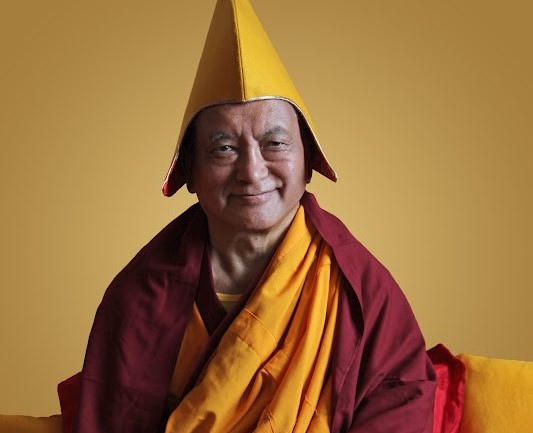
- Lama Zopa Rinpoche
- Centre
- Kadampa Center
- Recorded
- 15 September 2010
- Length
- 3 h 18 min
