 Free5:40:40

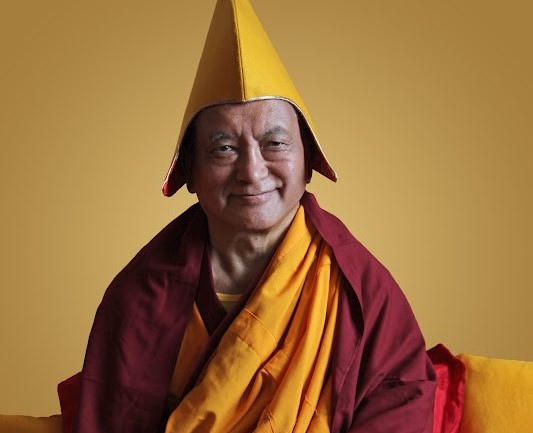
20100920 S1 LZR LOP Be an educated buddhist
LOP_Day 8-2_Teaching Refuge. /../ meditation just to go by this, the prayer – taking refuge, bodhicitta, generate bodhicitta. So we just do the meditation there. So the people who don’t have clear understanding of practice, when you do this prayer – taking refuge and bodhicitta – so then they come to know better the meanings and the practice, the meditation.
So this extremely important if you recite so many times one day.
So taking refuge that, it is mentioned in the text that in the past in India, there were, it seems, difficulties what’s the definition, characteristic of the being inner being or not, Inner being’s nangpa, in Tibetan is nangpa, so translation of that is ‘inner being’, but in English – Tibetan is nangpa, inner being, the inner being and outer being: ___ is outer being, nangpa is inner being.
That’s very clear, inner being, nangpa but in English it becomes ‘Buddhist’, it means, I guess ‘one who is practicing Buddhism’ probably. Maybe the meaning is this, who is practicing Buddhism is a Buddhist, maybe like that, why it’s called Buddhist, maybe someone who is practicing Buddhism.
So the inner being’s nangpa. So I don’t know whether insider or outsider, I’m not sure. So the refuge, the taking refuge is three levels – the Hinayana way of taking refuge, then the Mahayana way, Paramitaya way of taking refuge, then the taking refuge according to Secret Mantra, Vajrayana, so there are three.
So the Hinayana way of taking refuge, what is that? That is, the Hinayana refuge is that one’s own mind, the qualified of the useful fear to one’s own samsara, having the useful fear that oneself being in samsara, suffering. Then the other one is having faith – second cause.
The first cause is useful fear; the second cause is faith, having faith, understanding that Buddha, Dharma, Sangha has qualities, has power to save, to liberate oneself from samsara. Then with those two, then totally, from the bottom of the heart, then totally relying on Buddha, Dharma, Sangha directly.
So that is the Hinayana way of taking refuge. So the Mahayana way of taking refuge, that is, then the refuge, mind taking the refuge, that mind needs to be three qualities – not two, not only two qualities, but three qualities. The third quality is, after generating the useful fear of oneself being in samsara, suffering, and then compassion.
Then you look at the other sentient beings in the six realms, who are suffering six realms, you look at them – hell, hungry ghost, animal, human beings, sura, asura, intermediate stage beings – so you look at them. So they’re exactly the same – they’re suffering in samsara.
So with that compassion, wanting them to be free from suffering and the cause of suffering, with that compassion, then the faith to Buddha, Dharma, Sangha that they have power or qualities. So it becomes very important to study Buddhism. If one doesn’t study Buddhism, you don’t know their qualities, you don’t know qualities of Buddha, you don’t know causes of Dharma, you don’t know qualities of Sangha.
Then your refuge is not, your refuge, you don’t know their qualities, their power. So then,it’s basically like blind faith, blind faith, the Tibetan mong te, blind, ignorant devotion? Mong te, ignorant devotion, mong te. So (RL) that’s why His Holiness wherever he goes, monasteries or lay community, wherever children, wherever, always emphasize education, learning Buddhism, learning Dharma.
So I’m quite happy in the FPMT, we’re able to put quite a bit of effort in the education, leaning Buddhism, learning the extensive Buddhism, Buddhist philosophy – the Madhyamaka, Abhisamayalamkara, those, Abidharmakosha, so forth. However, generally there is logician, four chapters I think, however, proving how Buddha is pure founder, how you can trust Buddha, all the logical reasons, and about reincarnation, prove the reincarnation, all the valid reasons, so many things.
Then the Abhisamaya, Maitreya Buddha’s teachings, explain the whole details extensive, the whole path to enlightenment, then Madhyamaka subject, two truth, and then also describing the path bhumis, and the extensive subject of the two truths – the __ then emptiness, the very nature of the phenomena – I and aggregates and all the phenomena, and then Abhidharmakosha, the extensive study of mental factors and so forth, different subjects, then there’s eight subjects.
Then there’s Vinaya about morality, detailed study of the morality, the lay vows as well as the monk vows. Then there’s also the, Tibetan doesn’t have the lineage of the fully ordained nuns – it didn’t happen in Tibet. Or it happened or didn’t last or something like that, I’m not sure.
That doesn’t have the, which is 360, sixty-what? 360, huh?
How many gelongmas we have here? Only one? Huh? You also gelongma, right? You? What? 300 and how much? 348. Huh? What? 64? 300 what? 64? Huh? You have taken that vow? (GL) I think Dr Nick has taken that vow in New York subways.
(GL) So anyway, 353. So anyway, I think it depends on which number you want to take (GL) – less or more. Anyway, His Holiness said that if you are Theravadins, then the Theravadins they agreed their lineage in China, Taiwan and so forth. What is said now that they have lineage, if it is agreed by Theravadins, like Sri Lanka, Thailand, Burma, if they agreed so all the ___, in Tibetan, all those great learned holy ones, they all agreed, then can be taken the fully ordained nun, the lineage of the full ordination of nun, then the Tibetan, they can start.
But then, so that’s what His Holiness has been saying but so far didn’t happen the Theravadins accept that. So all agreed then to, then allow to take the vows, taking full ordination nun. So anyway, one time going to Taiwan, His Holiness asked me to check whether the gelongma ordination has lineage.
So I was, one time I was in Singapore – I think maybe one of the first visits in Singapore, so I went to one nunnery –normally you don’t hear this from other sources. I didn’t get to go to many abbots or abbess or to ask the lineage, but Singapore there’s one nunnery, so I checked this.
The abbess, the elder nun, the abbess of that nunnery mentioned that one monk came from China, somewhere. However, he did retreat, Manjushri retreat for six months or six years, I’m not sure. He did Manjushri for a long time. Then after that, he decided that he should give gelongma vows.
Normally you don’t, I never heard from other people saying that, except only that nunnery. That’s what I heard – this monk, Chinese monk, did Manjushri retreat for long time. Then he decided to give gelongma vows – that’s what she said. So anyway, so going back, so whether there’s a lineage or no lineage, however, I mean those who have taken the vows, if you keep it, then you do get the benefit, you do get the benefit, benefit – it is not empty.
If you do keep it, if you do protect, you get the benefit. So however, as I men…, the whole thing is protecting the mind; everything is to protect the mind.
The shem-thab has this bottom, there’s a bottom this, what do you call? Border, so that signifies three higher trainings – higher training so that signifies three higher trainings – higher training of morality, concentration, higher training of concentration, higher training of wisdom – either all three or higher training of morality, this bottom part around, but then there's two, there's also up there, but I'm not sure that.
I haven't heard about that – that bottom part. So in the robes, they have significations, and the way of folding, symbolizes path of method and wisdom, and the one back inside, the renunciation. This one, I’ve forgotten, this side one. Huh? So I think this is letting go samsara, renunciation. So Geshe-la says true suffering, true cause of suffering, the two-fold.
So this could be, then in that case that might be, for sure then this (RL) has to be cessation and the true path, these two coming inside – that’s to renounce, (RL) to look for (RL). Here two-fold – method and wisdom path – path of liberation, path to enlightenment, method and wisdom.
So then here, this one, I think, this one is to remind you, this one looks like teeth going like this, looks like two teeth, you’re inside the jaw, you are in the mouth, of the yama, you are already inside the yama, inside yama, yama’s mouth, the two jaws, the fangs, you are already inside the jaw, fangs.
So you are living inside the mouth, so it means you are not free from impermanence and death, you are not free from that, so you are inside the mouth, to signify that. So this is yama’s mouth, the fangs, so in the mouth. So any time – you’re not free from that, you are inside that, so it’s impermanence and death, the jaw, the mouth can close down any time, any moment, so any moment that death can happen to you.
So to remind you this; this one, so to __ this to remind you impermanence death. Always to remember you are in the jaw, you in the mouth of the lord of death, and this can be closed down any time; the death can happen to you any time, any moment. So this one, I heard that some monks, maybe from Tibet, I’m not sure, went in China in the past, in the ancient time past.
Then the Chinese queen ____ – king, maybe king’s wife, I’m not sure, king’s wife complained the monk’s this side bare body, no cover, so then complained, then I heard this was joined to cover, the shoulder, this. Then this was, this blue thing was to remind that to the Chinese, maybe king’s, maybe the dynasty, king dynasty wife, by complaining then this ____ to be reminded that this blue one put round – something like that, I heard – either saw in the text or heard something like that.
So I think that’s why Chinese nuns everything, very tidily covered everything – everything covered – all the hands and feet – everything is well-covered, it’s all covered; all coming from China, I think, where the people think, do not like ___, I guess, so cover everything to not get complain or disrespect, or however.
So the old centers and bigger centers, old centers, many times Lam-rim Chen-mo, orLiberation Palm in Your Hand, many times gone through, and also Madhyamaka, sometimes some centers, Madhyamaka subject also went through, some geshes taught already. Then this basic program, that was started much, much later.
Many of the texts, from philosophy, various teachings were taught before, the older centers. So now basic program which some set-up, then started. So Lama Yeshe who was kinder than all the three time buddhas, Lama discussed with Geshe Jampa Gyatso, who is the leader of Lama Yeshe’s class, I think in Tibet or Buxa – I’m not sure Tibet but Buxa.
So in Buxa, the Vinaya class. In Buxa that was the Vinaya class. So anyway, at Kopan Geshe Jampa Gyatso, very learned, very learned, very learned – studied the extensive philosophical subject. Of course, I mean, there’s Buddha’s teaching, Kangyur, one hundred volumes; then the pandits, ancient Indian pandits, their commentaries of that – Asanga, Nagarjuna, so forth, all these, Chandrakiriti, so forth, all these, the Six Ornaments, and __, two sublime ones, Sharipu Ma__ripu, then Six Ornaments, there are six pandits – they’re Nagaruna, Asanga, Chandrakirti, so forth, Aryadeva, Shantideva, so all those.
Then nowadays there’s prayer and pictures, seven Indian pandits. So His Holiness wrote prayers praising them. So what I’m saying is the last year, when Geshe Jampa Gyatso was there, so he’s very learned, known to the three monasteries, three great monastery universities’ – Sera, Ganden, Drepung – the elderly monks, known to them, wll known to them.
Done very extensive studies, study, and he can remember. But towards his gurus, towards…, generally speaking, very devoted, extremely devoted. Sometimes being learned doesn’t mean you are devoted. Learned – you can explain unbelievable so much from many text by heart, but doesn’t mean you are devoted to your gurus – sometimes doesn’t mean that.
But he is very strong devoted from whom he learned text, from whom he received the education – very, very devoted – and very good monk, very good monk, pure, very good monk. So when he was at Kopan teaching the monks there, sometimes he didn’t agree to what Lama, Lama’s method, when they were discussing.
So his face a little change, for ten, fifteen minutes, little change, then disappeared. I saw little change but doesn’t last – very short time, then disappears. So I think it’s very good. I think it’s, so I would say good-hearted. Even get upset, or maybe a little angry but doesn’t last – just only a few minutes, then doesn’t last, disappears.
So very good, that’s very good; Who get angry for long time is no good; that’s is very bad, that’s very painful. You have no peace and happiness for a long time. So he was very good. So Lama discussed, this was Lama’s wish, Lama Yeshe’s wish, they discussed, and then they supply master program in the centers, the master program.
It was eight years program, but anyway it become seven year program. So I think there’s no lam-rim text there – just only the philosophical text, these major extensive text – Madhyamaka, Abhisamayalamkara, Abhidharmakosha, those three; then there’s tantra, Lam-rim Chen-mo, the huge volume, the very, most extensive teachings of tantra, Lam-rim Chen-mo, the great graduate tantra.
Then the ____, the five graduate stage, the clear light, clear lamp, composed by Lama Tsongkhapa, most amazing, most amazing, most amazing, most amazing text – unbelievable detail, unbelievable, unbelievable, detail (RL) what clear so much how to practice tantra, how to achieve the generation stage, how to achieve clear the completion stage, wow, unbelievable, most unbelievable detail.
So His Holiness taught – well, one who gives most clear explanation of this, of course, His Holiness is one – gave many times, taught many times, so many times, even at Dharamsala. So these subjects master program. So Geshe Jampa Gyatso, he went, so we sent to Italy; then he become the second resident teaching of Lama Tsongkhapa Institute.
The first one is Geshe Yeshe Topden – he’s one extremely close friend of Lama Yeshe in Buxa, extremely close friend at Buxa. I didn’t see, but I heard that maybe Lama mentioned, so they don’t live, the place where they lived, on the one time anyway, not in the community, not in…
on the hill there’s the concentration camp – when British, when India’s under British, that time, I think this is probably very famous prison, I think, where Mahatma Ghandi-ji and Prime Minister Nehru were imprisoned, and so many prisoner were imprisoned, and place where so many people were killed, and this very place where so many people were killed – cut their neck – that place become place of debate when the monks fled from Tibet.
So those who wanted to continue to study Dharma, then so many, so many left for work to make road, Ladakh or near Ladakh, or near, in the West Bengal, near Tibet, India, making protection around the border from China to protect the country from China.
So many went to make road, and those who wanted to continue with their studies, they stayed at Buxa, so one 1,500 monks. So those who are ex-abbots now, ex-abbot and present abbot and ex-abbot, so, so many already monks from study Buxa, so many passed away already.
Even there, so many passed away, then in South India, so many passed away. So now, not so many left. So some of the present abbots, many of the present abbots from Buxa, ex-abbots, they are from Buxa, who studied, who did the main study at Buxa, Assam, West Bengal, and some of the present abbots from there.
I think, maybe, most of them, probably most of them now from Buxa, I think. So anyway, and all the ex-abbots of the past from Buxa. So many of the key teachers, the top, the key teachers in the monasteries, many of them also from Buxa. Now there are teach… who begin to learn Dharma in South India, after they moved to South India, who began to learn there, here Geshe Gelek and ___, many who studied Dharma in South India, so now there are happening many learned ones, so they become the main teachers of the monastery, so ones from Buxa and then the ones who began to learn philosophical text, South India, Mysore, those three monasteries South India, So now they then become main, also become the teacher, very learned and many, many disciples, many hundreds of disciples.
So at Buxa, like Geshe Gelek’s teacher, his name is Madhyamika, Uma Chupa, monk’s called Uma Chupa, Madhyamika, Gen-la Delek, and now he’s the ex-abbot of lower tantra college. First he has thousand disciples at Sera Je monastery, So he lives our house very long, the wall there outside the wall, very long but inside there’s, time-to-time there’s a wall – so one door, two doors, three doors, there are three doors to outside – the door entering inside; my bed is here against the door, then my front – here’s our altar, then here – inside there’s bamboo crushed – made walls, doesn’t go higher on the top; but just enough, if you stand up, enough, like that.
So bamboo walls like this, then put like that against the door. Then there’s Lama Yeshe’s, Lama’s, bed there, and then you enter inside. This is lately, but it changes. Geshe Rabten was there for a long time, for years, in that room, same room than Geshe Rabten’s disciple who took care of Geshe Rabten in Tibet, Phagri.
I mean it’s been changed different times, so I was talking about lately – more, several years before that. Enter the door, then there’s another bed. One elderly monk from Tibet, ____ ____, the same ___, then there’s Lama’s disciple Losang Nyingma – he died quite a number of years ago.
Anyway, then the next room, there’s the crushed bamboo wall, then back side, Geshe Gelek’s teacher, Lo Delek, and then there are a few monks. Then there’s, then other side, a few monks. Some like, this is ______ but other side Amdo, ____, the resident teacher of Malaysia center, Geshe Kelsang, who was there maybe six, seven years, I’m not sure, he was there and he taught the monks – then bamboo wall, then other side there’s _____ monks lived there, some monks.
_____Lhundrup, the one who lived in Perth, I think, so lived there. Then bamboo wall, then backside there’s another, I don’t know from which part of Tibet but many of those, the last group’s, they’re members of Sera Je in Tibet, who did very high – manager or…, several of them who was, who worked for Sera Je Monastery, they’re high officials.
So one died there; one I knew, he died, younger one died. Anyway, so Amdo, Geshe Delek’s teacher, Lo Delek. Just to give you an idea how hard study was done at Buxa, how hard study, I mean, just to give you an idea. So I mean, in the morning, get up, memorize texts, then go for teaching, then go to receive teachings, go to your teachers in class, in your class all together go to receive teaching from teacher.
Then go to debate courtyard for hours, for class debate; then you meet together, then you pray – there’s Tara and _______, so forth, Heart Sutra and prayers that for your own purification, for your own complete study Dharma, complete your Dharma practice, to reach enlightenment, and also people who want us for pray for sentient beings, people who are sick, people who died – there are many, many requests; many, many requests read by the disciplinator monk reads; then he receives all these requests, and then prayers also dedicated for them.
So then after that, quite a number of prayers. Then you debate person-to-person for many hours. So in the evening time, then there’s the same thing in evening time between the meal and then it’s unbelievable, most unbelievable hot. Then you go to wash your body, it’s most unbelievable hot, unhealthy hot.
So, so many monks they die, or sick with TB because living condition is very bad. So many got TB, so many died. And I see monk, body of the monk carried – my back door here, go through one other place in Buxa. So every week, you see one monk body carried with the group of that, from which part of Tibet came; there’s different sections in each monas… __ Sera ___, then there’re two colleges, so Sera Je, so within that, there’s many, many different __, different sections, depending on which part of Tibet you came from, so then you belong to that.
So all the monks belonging to that ____ go together, go to cemetery to pray. Everywhere I see this going through like that. So then some monks become, go crazy. So anyway, then learning Tibetan letter, studying others things. In Tibet, they don’t learn, not allowed – if you are learning Tibetan letter or grammar or Tibetan letter, something like that, it is regarded as worldly activity, you are taking interest in worldly activity, not Dharma, so it’s regarded like that.
So therefore, that’s not, that’s no normal interest, except individually; it’s not normal interest in the monastery. So that is regarded as worldly, you are involved, you are interested in worldly activities. So therefore at Buxa, even the abbots, those very learned abbots, unbelievable learned abbots, when they go to the Indian office, there’s an office where they frequently have to meet or sign, so then very few can write their names.
Very, very few – and then some not proper shape of writing, some box or like box or something (RL) – not writing. So they put the thumb, what you call? Huh? Thumb stamp.. So but they’re very learned, but Dharma philosophy – very learned. So it’s really amazing in Tibet: you don’t have tape-recorder, there is no tape-recorder to record the teachings.
I mean, teachings are very deep philosophy. You can’t write, you can’t record, you can’t write because most they didn’t learn writing. So everything to do with your mind, everything is to do with your mind. If your mind able to grasp, then it’s up to how much your mind grasp.
Can you imagine? Now there’s tape-recorder, you can, I mean, you can write down ___, I don’t know whether cause some laziness or not, I’m not sure, now more possibilities, so whether it cause some laziness or not, I’m not sure. But in Tibet it is your mind, your mind pay attention, you have intelligence – that’s it.
There’s no other way to learn, like now write down, then learn later from your writing, or learn later from the, hear from tape-recorder. Or you buy – if somebody recorded, you can buy that. There’s no those things. So anyway, so these monks, these abbots were extremely learned in the Dharma, in the philosophical subjects.
So but they didn’t learn writing, so can’t ___. (RL) So anyway, but it’s very interesting. Then in the evening time, then of course you have to read the text, you have to read many text, root texts and commentaries, many different commentaries. Then evening time, then starts again same, debating class, then prayer, then again debate person-to-person for many hours.
So Geshe Gelek’s teacher, Uma Chupa, Geshe Lo Delek, so debate until night twelve o’clock. It starts four o’clock or five o’clock, something like that, evening, the debate and the prayer, so five o’clock, something like that, I’m not sure. After dinner, then starts, then many hours goes there, and then such like him debate until twelve o’clock at night time, until twelve o’clock or one o’clock even some times.
Then come down, have a black tea. Then you go outside the building – behind his room’s window, he put a seat, Then he recite the text that he memorized for several hours. So at three o’clock in the morning, so at three o’clock in the morning, something like that, he recite text.
Then he has maybe two hours sleep, something like that. So that is quite often happening. So this particular text that he memorized, all the Madhyamaka, Abhisamayalankara, those things, yes, but the main text that he, that Geshe Gelek’s teacher, ____, what he was reciting is Drang-nges legs-bshad snying-po, the Lama Tsongkhapa’s very important text, the Interpretative Definite Meaning of Good Explanation. So explain the differences between the four schools’ views, and especially the Prasangika school view, to present clear, presenting the clearest.
So this very, very important text, very difficult text to learn, so he memorized completely, number of pages depends on how the writing is small or big, then bigger is more pages, of course, so I think maybe __ is quite long – so maybe three hundred or four hundred, I’m not sure, pages long.
So just that text. Then of course, he has memorized many other texts, recited by heart: “Blah, blah, blah”, outside very loudly, recited by heart: “Blah, blah, blah”, outside very loudly, outside of his room, his window at night time, I mean, in the morning, up to three o’clock, somehting like that, I don’t remember,recited.
Whether he recited half and half – half today, half tomorrow morning, I’m not sure how he did, but anyway, or either he recite completely, I’m not sure. So I memorized, I started to memorize only sixteen pages. pages. (RL) Then finished. Sixteen pages, then gone, then obstacle happened.
(RL) So did not have merit to complete, did not have merit to complete. So I got TB at Darjeeling. But many monks memorized, many, many monks have memorized completely. Even in our building, many of the friends of Geshe Gelek’s teacher there in the same house, there are many monks who have completely memorized, Drang-nges legs-bshad snying-po besides those many other texts.
So this unbelievable hot, really conditions are very, very poor, but unbelievable effort to study Dharma, wow, unbelievable. Oh, because of that, now Buddhism, now, even now, the South India, now they’re able to educate so many thousands of young monks.
That’s all because of the kindness of the monks who studied very hard under such unbelievable bad condition – so hot, bad condition, then studied Dharma, wow, sacrificed life. All because of that, then now they become, then many great teachers happened now, like Geshe Gelek’s teacher, like that many.
Now in Sera, Ganden, Drepung, Ganden Jangtse, Shartse – Drepung has_____, so there are many, many monks. So then, educate many thousand monks, many hundred thousand monks. So able to, really the Buddhism able to flourish, Buddhism able to flourish, and so then able to, these monasteries able to produce qualified monks.
Then they’re finished studying; then their examination. So they’re able to produce qualified teachers every year. So then they’re able to send, able to go around the world to teach – so just even our organization, FPMT has 40 teachers, more than forty?
About 40 teachers, resident teachers, just within FPMT, then no question about other organizations around the world. Then that helps many sentient beings to meet Dharma and especially, Buddhism has been in the East, yes, but now in the West which has been dark from beginning, dark, no light of Dharma, no light of Dharma – what is right, what is wrong, what is harmful, what is beneficial, not having that knowledge, not having that wisdom, Dharma wisdom.
So that includes liberation from samara; that includes path, that includes enlightenment, the Mahayana path, all that, so within that wisdom. So that wisdom’s not small wisdom. Complete that wisdom is only when you achieve enlightenment, complete that wisdom – the wisdom knowing what is right, wrong, what’s harmful, beneficial – completed that wisdom is only we achieve enlightenment. So when you achieve state of omniscience, then that wisdom’s completed; otherwise not.
So the reason why we’re able to spread Dharma in the world, spread Dharma in the world, even just the, not only FPMT but also other, in the world, that’s because the monks at Buxa studied very hard with such a unbelievable hot, so bad living conditions there, so poor living conditions, then but put effort Dharma day and night study, day and night, oh, unbelievable, unbelievable, so because of that, now we’re able to help the world is that, from that, from Buxa.
So able to give wisdom the world, able to enlighten, bring light in the life, light, Dharma wisdom light in the life, dispel the darkness of ignorance. So what was I going to say? I forgot.
So then Geshe Jampa Gyatso went back, and then he was second, oh that’s right –____… my talk got scattered, my talk go elaborated, but I was talking about Geshe Yeshe Topden, the very learned one of Sera Me, Lama Yeshe’s best friend at Buxa. He was the first resident teacher of three years, Lama Tsongkhapa Institute in Italy.
So the land, the Lama Tsongkhapa Institute, the house, so actually who offered that to Lama Yeshe for the center is Massimo. So Massimo’s here. He came today. Huh? Where’s Massimo? Oh yes, Here, here. So his parents has two sons: he’s one, the elder one; the younger one Luka.
Younger one become monk in Sera Monastery, studied for quite a number of years, and also they helped, the parents helped to build the school for the monks there. So it has been continued even now. It has been doing very good, very high, regarded, the education is regarded very high there; they get, the __ get very high, something like international some South Indian something, I’m not sure.
So anyway, Massimo here, so that was his share given by his parents – land the parents share to each child. So that parcel of property is his share, so he offered to Lama, Lama Yeshe. So that’s how the center, Lama Tsongkhapa Institute happened there.
So that’s the like center like father, mother, like that. Then all the branches started in Italy, many other centers in different cities. So some of them has resident teacher – not all, but then from Lama Tsongkhapa, one geshe goes around to teach other centers. And then during Geshe Jampa Gyatso’s time, did like that.
Now I guess Geshe Jampa Tegchok who is the abbot, who was abbot of our monks in France, Nalanda Monastery for maybe, I don’t know, maybe this might be only the Western monastery, maybe – Buddhist monastery for Western monk, maybe. I haven’t heard anywhere monk monastery, Western monk monastery, I haven’t heard.
Usually it’s kind all mixed up, like that, in the retreat, but not necessary every monk, but this is all monk, very clear discipline, Nalanda. It’s named Nalanda monastery – very wonderful place, kind of a little bit isolated, and very good. So this happened now many years.
How many years? ago. So there was Vajrayogini Center, lay center, Vajrayogini Center. There’s a resident old geshe from Sera Je been teaching there for so many years. So one time, fire happened. One time, one room got burned fire, right? West wing got fire.
Burned by fire. Because of that, able to get Nalanda, able to get this land, house, probably hundred years ago, house which had been hundred years ago. It was nuns lived there or.. it was a Christian, right? Or something used. Family confession place.
So it was old building, a hundred years ago. So anyway, because of the fire, because of that, then got this land. Then there is where Nalanda happened, the monastery. So this real monastery, real ___, real monastery, so Geshe Jampa Tegchok was the abbot for ten years.
he was there. Then he became abbot of Sera Je. Now he’s resident teacher Lama Tsongkhapa Institute, teaching the master program. Before that, before Nalanda, he was also in London, Manjushri Institute. We invited there to teach, but then that doesn’t belong to us.
So Geshe Jampa Gyatso taught master program, then he passed away just before he was about to start second. Now Geshe Jampa Tegchok’s doing that. So then there’s another teacher there, young teacher, he taught the basic program. They finished one, then maybe they’re doing second.
Now they’re doing master program, right? So the basic program they do, they finish within two years because everybody live there, but in the city, they only meet night-time, teaching is night-time, so then it takes longer. So it takes five years. So after study, then you offer examination, then degree, to get that.
So then to be recognizable having understanding for your own practice, for your own realizations, to have broader understanding, so less mista…, more understanding, more correct practice, that helps to have more correct practice, more correct realizations, and then also that is recognizable a person’s education, understanding Dharma is recognizable, so they can teach to the world.
Also the basic program, that. So you start with the lo-rig, the science of mind, this about basic study of the mind, all the different thoughts and consciousness, all the other things, their functions, all that. Then and some might be teaching ta-rig, this special way of study, logic, mind training and reasoning logic.
Then there’s seventy topics or the four schools of Buddhist philosophers, and then basic path, bhumis and the lam-rim, Lama Tsongkhapa’s Lam-rim Chen-mo. There’s lot of sections on emptiness, a lot of debate. So then they thought it hard to finish within that time, so then lam-rim ‘bring-ba, Lama Tsongkhapa’s middle lam-rim.
It is similar to the great one but left out the part especially a lot of debate taken out. So more, offer more the essence. So if you study that, that’s one of the best thing, best thing to study in the life, among the lam-rim, among Lama Tsongkhapa’s lam-rim, the middle one, then you can understand the great lam-rim.
That’s really most happy thing to study that lam-rim. So you get very broad, very broad idea, very broad and deep understanding. So it’s kind of learning the essence of, the very heart of the philosophy. So then I added also Liberation Palm in your Hand but I don’t.., not sure that Geshe teach it or not, because that has got a preliminary practice – more elaborate, then simple presentation but with more examples, with many examples, very clear, simplified, very effective and very simplifed by Pabongka.
And all the shi-nä what explained there, one of my teacher, Gen Jampa Wangdu, who had great success in attaining realization in this life – realization shi-nä, bodhicitta, shunyata, illusory body, clear light, Six Yogas of Naropa, all that, so he is greatly successful, so he said that the shi-nä technique there in Liberation in the Palm of your Hand is very clear, because he completed, he himself accomplished this realization, so he said that’s a very clear one – simple but clear.
So however, then the Uttaratantra, the text, the Buddha nature, so the __ lama, so that and then these, so how all sentient beings have a possibility to achieve enlightenment. Then Bodhicaryavatara. As far as specific text of lo-jongs and Wheel of Sharp Weapons – unbelievable text, that’s incredible: explain about karma, and then destroying the ego, And everything, every bad thing whatever happens, every bad thing that you experience, every karma that you experience created by the self-cherishing thought in the past, by your self-cherishing thought in the past.
So now you are experiencing the karma, the suffering. So now you use that as a weapon. You use, instead of getting depressed and getting unhappy, you use all this as a weapon, as a sword, as a sharp weapon to cut you ego, self-cherishing thought. Use all the problems.
So whatever problems that your self-cherishing thought in the past motivated, created, so now you experience the result, circle the karma, the result. Now you’re experiencing the result, the problems from your karma, motivated by selfish mind. So then, now you turn the wheel on your self-cherishing thought.
You destroy, you turn the wheel, karma on the self-cherishing thought, rather, “Oh, I have this problem. I have that problem. I’m this, I’m that. I’m hopeless. I’m this.”, rather putting yourself down yourself, making yourself nothing. Instead of that, then you turn this karmic wheel, the sharp weapon on your ego, the self-cherishing thought.
Who started all this? Who started all the karma, receiving this suffering? Who started all these problems? So now you turn wheel of karma, the sharp weapon, turn on the, over the self-cherishing thought and destroy with that wheel of sharp weapon, rather than making yourself always sad and unhappy and depressed, and this and that, then you go to see billions of psychologists or the psychiatrists, or many things, many hospitals.
Then the wheel, Heart Sutra, the commentary, Heart Sutra, then the Eight Verses, Seven ___, lo-jong specific text. Then the tantric path, path of bhumis, tantra – something to get some basic idea. So this is the basic program. So there are many centers where there are resident teachers now doing this.
Many centers, some centers finished even one or two, one time, two time, maybe third time, some centers like that. However, so I think the education’s quite a bit happening now, and people’s side, students’ side, people’s side, also they see more reason to need to learn, importance of learning.
So it started, so the real refuge, you need to learn the qualities of Buddha, Dharma, Sangha, you need to learn all the philosophy that explain all the details. Otherwise, your understanding is very simple, and then your faith not strong, not stable and very easily change, very easy to change.
Some good speaker comes, then your mind is very easy to change, to give up the refuge to Buddha, Dharma, Sangha, and then something else. So hoping that the master program also to start other centers more and more. So having studied more deeper, deeper and more extensive teachings, then you have less misunderstanding when you’re practicing meditation, when you’re doing meditation on the path, then you more, because you have so much more understanding, deeper understanding, clear, clear, then you have less mistake, less misunderstanding.
You make less mistakes in the practice, less mistakes, more correct practice, then from that, then correct realization comes. So otherwise so much ignorance, not knowing then it blocks. Even you try to meditate, but taking long time – no realization happening, blockage.
Then after some time, then only you live your life only with, I mean, if you don’t have capacity, if you don’t have wisdom, you don’t have capacity, then that’s different. You don’t have much capacity, much intelligence – that’s different but then you have essential understanding then you have essential understanding sutra and tantra, and then the lam-rim, essential understanding of lam-rim, the guru devotion, renunciation, bodhicitta, right view, then the two stages, simple understanding then you put that in practice to achieve enlightenment.
However, as Kadampa geshes, as I mentioned already, the Kadampa Shumbawa, studying extensive scripture, then you achieve enlightenment. Then also teach others. Then Kadam Lamrimpa, then you study lam-rim and put into practice, and then achieve enlightenment, also to guide, teach others in that way, bring them to enlightenment.
Kadam mengapa, then the guru, whatever guru teach, then you put into practice to achieve enlightenment, and then also guide other sentient beings in that way, to bring to enlightenment. So depending on level of intelligence, you can do that. But however, without studying Dharma, without much studying – only doing meditation, something very, your understanding of Dharma is very extremely limited, and extremely limited and then just living life just with the recitation of mantra, not so much understanding Dharma, then when you meditate, when you on the path, then many mistakes.
will rise, many wrong practice. Then especially difficult to help others, especially difficult to teach others Dharma, especially difficult. If yourself haven’t learned how you can teach others? Especially teaching Dharma to others, there are people who have great intelligence, middle intelligence, lower intelligence, all kinds, so if you know philosophy, then your lam-rim teachings can be very clear, very deep, very clear with much reasonings, you can make the lam-rim very deep, very clear.
So you have unbelievable freedom, and can help so much to others to really give deep, vast understanding of the path. There’s so much incredible help you can do to others if you have much greater understanding of Dharma philosophy. So however, so without studying much the teachings, then the philosophical teachings, those pandits’, yogis’ commentaries and Buddha’s root teachings, if you don’t… then Lama Tsongkhapa, the great Tibetan learned, highly enlightened being, the commentaries, so without studying those, then after some time, the education Dharma becomes, the extensive, deep learning Dharma become less and less, less, and what is done in the monasteries, these monasteries at this moment in this world.
these monasteries is only, of course there are only Gelugpa but other traditions, some of their monasteries have philosophical study. Now because His Holiness emphasized so much debate, so the debate is also happening now in the other tradition monasteries – Kagyu Nyingmas –happening more and more.
His Holiness emphasized very much, and also top leaders, the top leaders of the traditions also take interest to start in their monasteries. So that’s how it’s happening. So these – Sera, Ganden, Drepung – these did extensive study. If that becomes, if that got degenerated and then, if that got degenerated in these monasteries, and that means that all the small monasteries then wouldn’t happen, there won’t be continuation of that.
Then there won’t be teachers coming out from the.., qualified teachers coming these monasteries and they will be stopped; then won’t receive qualified teachers from these monasteries. So then, sometime later, the Buddha’s teachings, nobody can understand this 100 volumes and the pandits’, yogis’ their commentaries, the Indian pandits, ancient, then nobody understand this, even though they have in the temples and the house, they have in the library but nobody understand.
So this will happen, this very sad time – nobody can understand, nobody can explain. And then sometimes there’s danger, sometimes then there’s danger nobody can understand; then can’t explain those certain subjects, then there might be “Oh, we need to change this.
I heard it happened with other religion. So the original text that people couldn’t understand, then the recent people, then they want to change those meanings because they couldn’t understand. It’s not that there’s some big mistakes realized, but couldn’t understand, so change.
So that’s degeneration. So like that can possibly happen to Buddhism. So then Buddha’s direct teachings, then pandits, their commentaries, then there’s possibility to change, somebody at the time, then nobody can understand, then change. Then degeneration happens.
It’s like,these texts not, is like not useful for life, that’s they will think, these texts not useful for life. (RL) Then need to write something else, or then the heart of all these teachings, lam-rim, if they don’t understand, not studied, don’t understand, then don’t understand, then say, “Oh, need to write something else”.
Then what they think, write –not according to Buddha’s teaching. So there’s possibility to happen like that in the future if one did not do extensive study of the Buddha’s teachings and the commentaries of the pandits, yogis, and the other lamas. Sorry!
I was going to tell this story, then I went around. I went circumambulation. So Buxa, (GL) anyway it doesn’t matter. So anyway, way up there where Lama Yeshe and Geshe Topden lived, way up there, ____, where Pabongka, incarnation of the great Pabongka in Tibet, where several lamas.
So then Geshe Topden and Lama Yeshe made Tibetan tea, the very thick butter Tibetan tea, cha ngakpa, so they made Tibetan tea. Their outside dress looks same, red shem-thab but it’s completely worn out, white, white-looking, red but white-looking, old shem-thab, very old shem-thab.
Then both of them, their way of dressing shem-thab is high up. Others, they wear the shem-thab very long; theirs is high up, so you see the legs. High up – a little bit like the short pants. (GL) You have the short pants, so it’s a little bit like that, I mean, to give an example.
So wear this the similar kind of dress, color, everything, so then filled up their bowls with butter tea then they both stand up, embrace hands and then they dance, they village dance, they do their village dance, sing songs, I heard or the Lama told me or (RL) I think it’s sort of ascetic monks’ enjoyment, expressing their happiness, I think. (RL) I think pipi break.
Sign in to keep private, timed notes on this talk. Only you can see them.
Public comments
Public: open to everyone signed in. Your private notes are in My notes.
Sign in to join the discussion.
Teachings from Light of the Path 2010. Kadampa Center, Black Mountain, North Carolina, USA. Transcript: https://fpmt.box.com/v/2010LOPTranscript
- Teacher
- Lama Zopa Rinpoche
- Centre
- Kadampa Center
- Recorded
- 20 September 2010
- Length
- 1 h 39 min
